

MÔ TẢ SẢN PHẨM
Xử lý hóa lỏng” (Solution Heat Treatment) nhằm loại bỏ ứng lực tồn đọng và bị cứng khi gia công, nâng cao khả năng gia công và khả năng chịu ăn mòn
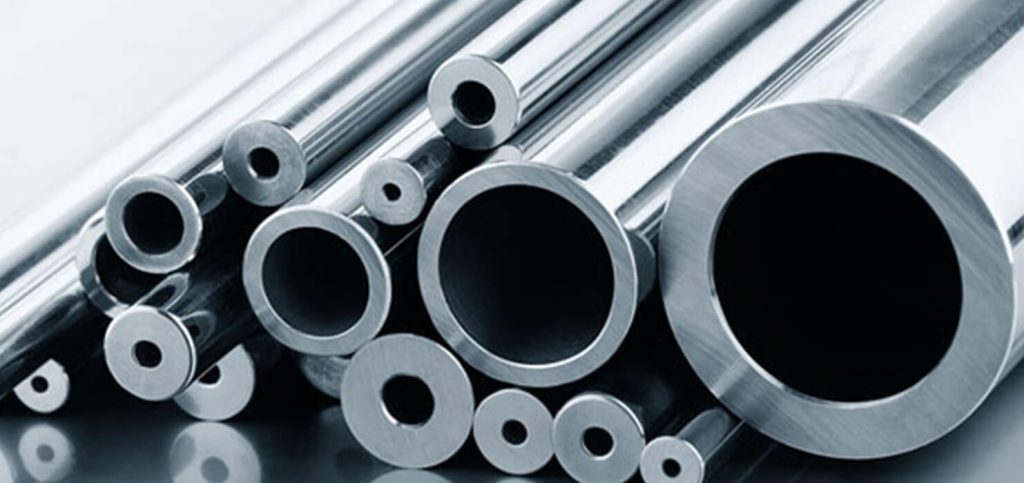
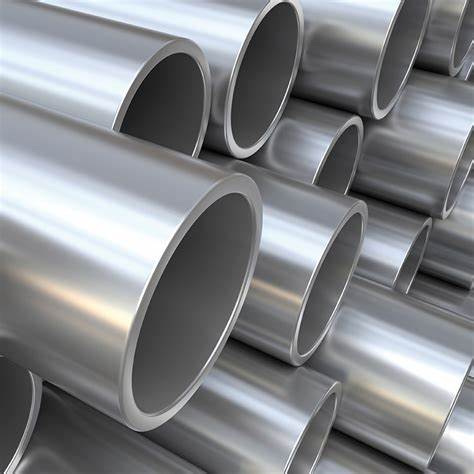
ứng dụng xử lý vật liệu dùng cho ống thép không gỉ, đồ trang sức bằng thép không gỉ..
.png)
I. Introduction
A. Definition of Solution Heat Treatment
Solution heat treatment, also known as solution annealing, is a heat-treating process used to dissolve precipitates present in the material. The purpose of this process is to create a single phase microstructure in the material, which is necessary prior to precipitation hardening.
B. Importance of Solution Heat Treatment
Solution heat treatment is an essential process for many metal alloys, as it is required for improving the material properties and mechanical performance. Proper solution heat treatment is critical for achieving the desired hardness, strength, and mechanical properties in metal alloys, and it is an essential part of the heat-treating process.
II. What is Solution Heat Treatment
A. Process Overview
The process of solution heat treatment involves heating the material to a solution annealing temperature and rapidly quenching it down to room temperature. The solution annealing temperature varies depending on the type of metal alloy and its composition. After heating the material, it is quickly cooled to room temperature to avoid any precipitation from occurring during cooling through lower temperature ranges.
B. Purpose of Solution Heat Treatment
The purpose of solution heat treatment is to dissolve any precipitates present in the material, and transform the material into a single phase structure. This single phase microstructure is essential for precipitation hardening, as it allows for the formation of only the precipitates that are needed for the final product.
C. Common Metals that Require Solution Heat Treatment
Many different types of metal alloys require solution heat treatment, including stainless steels, aluminum alloys, nickel-based superalloys, titanium alloys, and copper-based alloys.
III. Benefits of Solution Heat Treatment
A. Improved Material Properties
This process improves the material properties of the metal alloy. The single phase microstructure created during solution annealing is necessary for precipitation hardening, as it allows for the formation of only the precipitates that are needed for the final product.
B. Enhanced Mechanical Performance
This process enhances the mechanical performance of the metal alloy. The formation of the single phase microstructure during solution annealing is essential for precipitation hardening, as it determines the hardness, strength, and mechanical properties of the final product.
C. Increased Product Life
Solution heat treatment increases the lifespan of the final product. The improved material properties and enhanced mechanical performance achieved through solution heat treatment result in a product that is more durable and has a longer lifespan.
D. Cost-effectiveness
Solution heat treatment is a cost-effective way to improve the material properties and mechanical performance of metal alloys. The process is less expensive than alternative methods, and the improved material properties and enhanced mechanical performance of the final product result in a cost-effective solution.